Maitrī Music Therapy Nepal

Theraupatic Music and Community Events

Maitrī Music Therapy Nepal (MMTN) is a non-profit organization based in Kathmandu that is re-imagining music as a health resource. Our approach is community-based, culturally responsive, and ethically informed. At Maitrī, we believe in the transformative power of music as a therapeutic tool supporting emotional expression, inclusion, and overall well-being. Through musical experiences and therapeutic relationships, music therapy serves as a professional, clinical, and evidence-based practice that addresses social, emotional, cognitive, and developmental needs.


Image 4169

Community Musicking

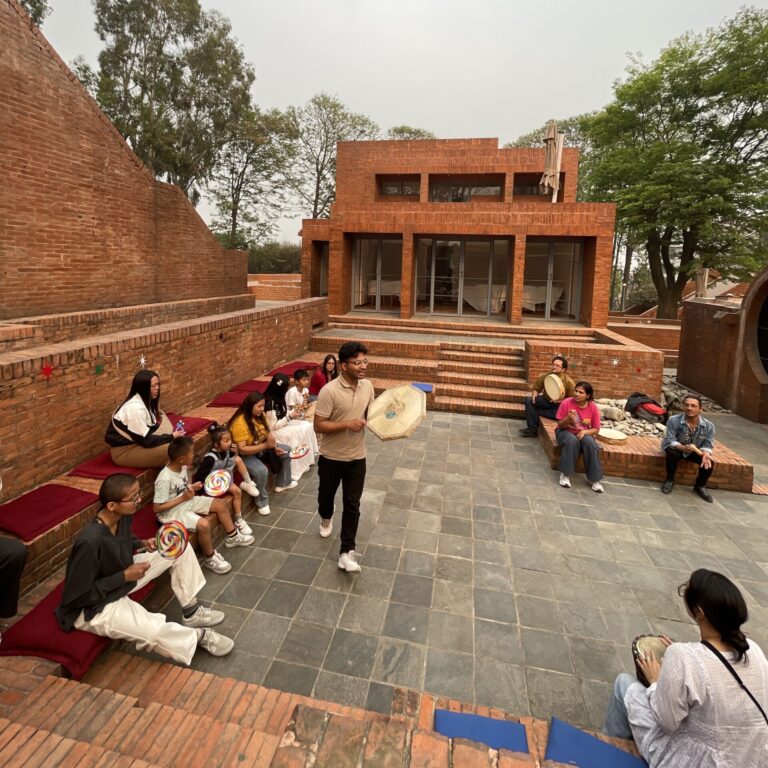
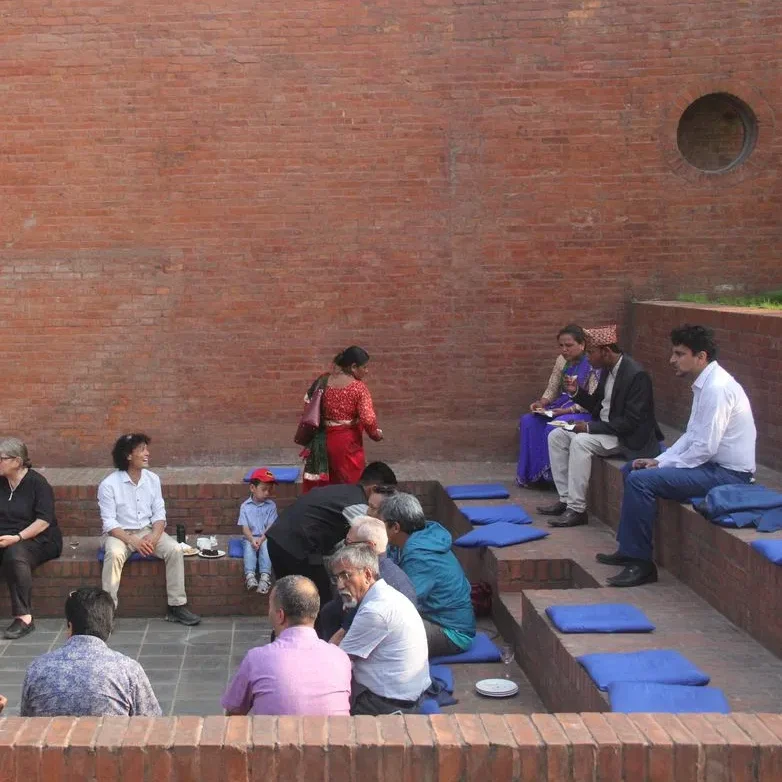
As part of our free events at Taragaon Next, we host community musicking sessions with Maitrī Music Therapy Nepal where participants are encouraged to create music with anything they can get their hands on. Instruments are provided but no prior musical skill is necessary!

Image 4196

Music Therapy Workshops

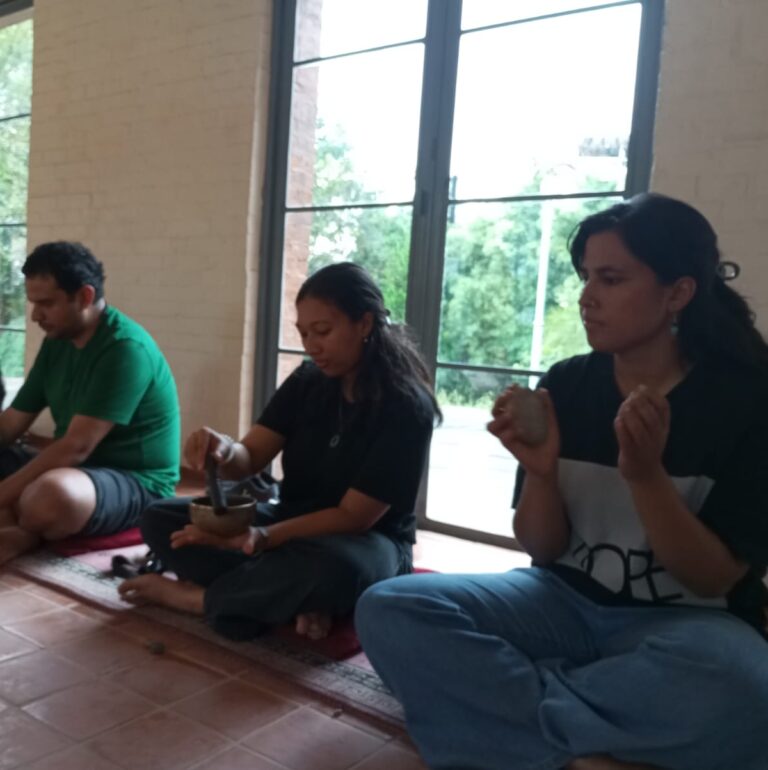
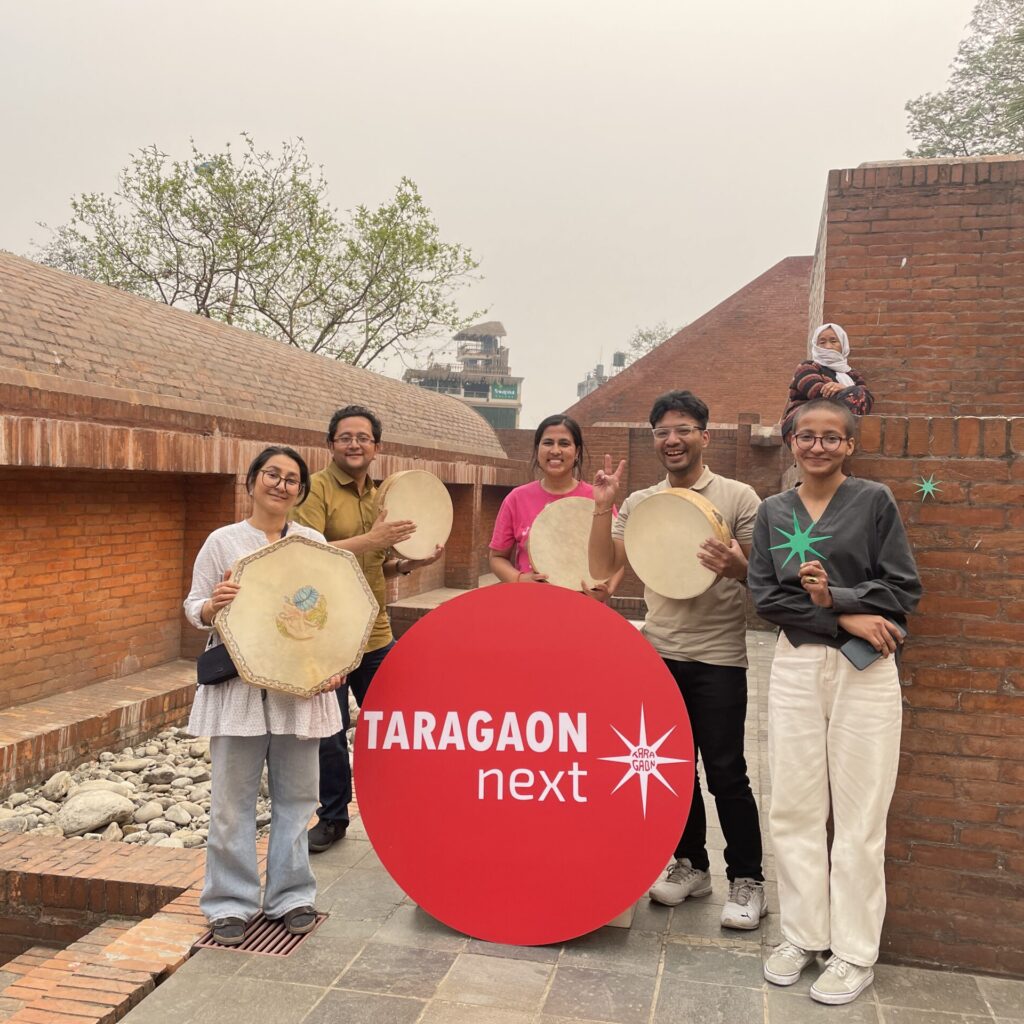
As part of our collaborations for our exhibition At the Tipping Point, Maitrī Music Therapy Nepal hosted a musical therapy workshop related to the sounds of nature.
Drum to the Sound of Nature is an experiential workshop that invites participants to connect deeply with themselves and the natural world through rhythm, sound, and creativity. Guided by clinical music therapist Shreeti Pradhan, participants will explore nature-inspired soundscapes and engage in intuitive music-making using both the body and found objects from nature at Taragaon Next.

Image 4939

Bodies Meet Music Workshop with Mayıs Rukel

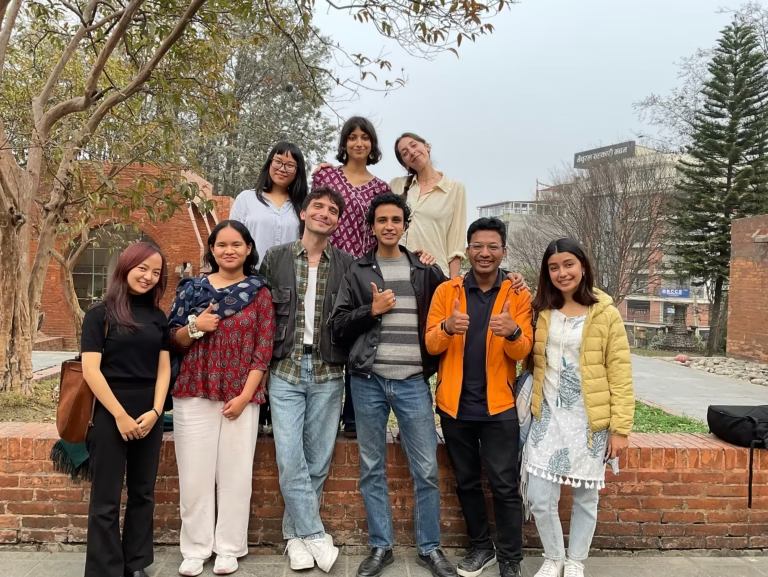
For this workshop, we took aspects of movement and music and created a workshop where participants were able to use it as a form of connection and expression. We collaborated with Maitrī Music Therapy Nepal on March 11 to create a workshop where participants were taken on an auditory journey via the soundtrack of Movement Song composed by Patrick Walinga. Participants were asked to feel the music and move their bodies in ways that resonated with the emotions triggered by the music.

We started off with warm up exercises and games for everyone to get comfortable being in a space with each other. With other conversations and exercises, we were able to create a space where consent and understanding were at the core and were able to pair up participants so we could share our musical interpretations with each other and then with the group. We tried our best to answer the questions of:

What shape does yearning take?

What gesture communicates affection?

Does grief have a melody?

What does tenderness ask of the body?

Maitri Music Therapy Nepal