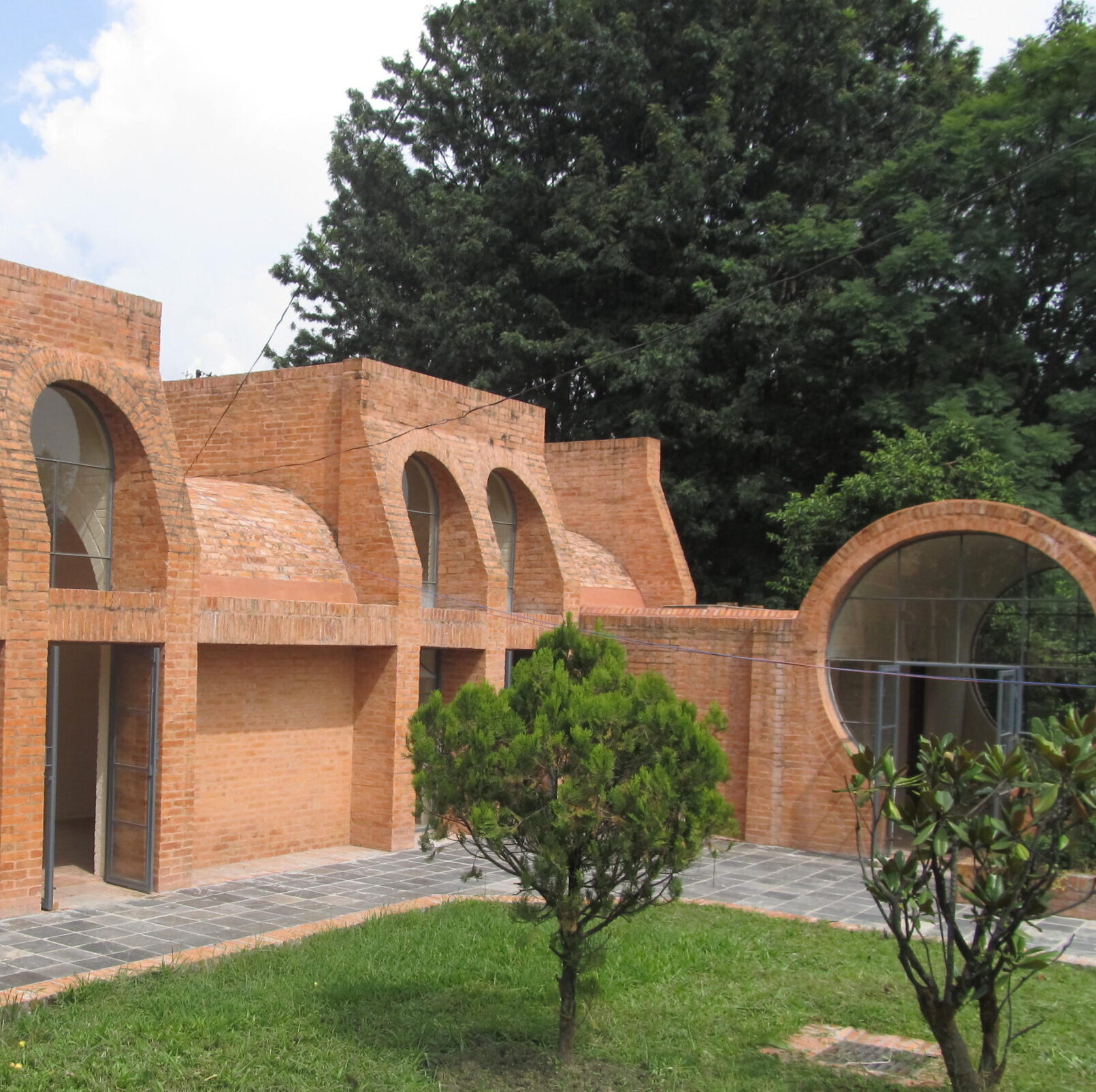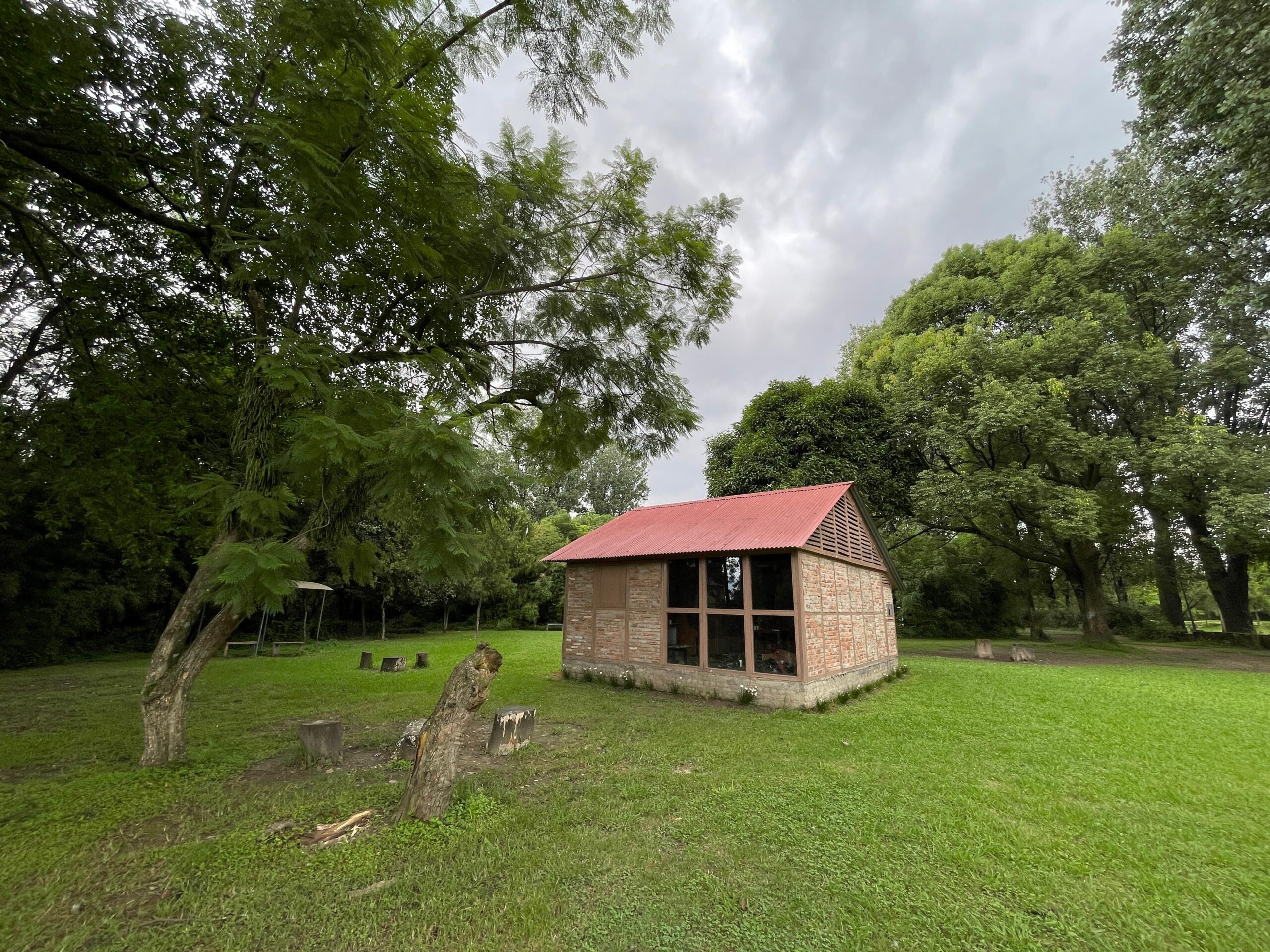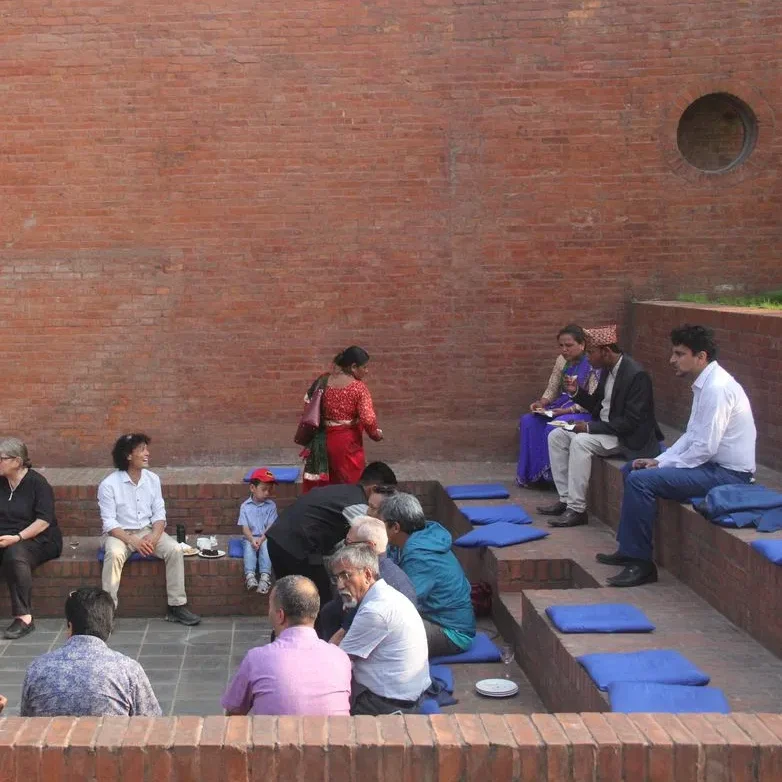
A curated display that explores the juncture of time, architecture and archives documented through memory and people and highlights the role of archiving in preserving and promoting our shared heritage for future generations. The museum display is spread across a cluster of seven buildings that form a centre for the appreciation of Nepal’s artistic and architectural history. All works exhibited are from the NAA (Nepal Architecture Archive), a private collection of the Saraf Foundation. The Taragaon Museum is the starting point of the foundation’s aim to document Nepal’s cultural heritage and support historic preservation in the Kathmandu valley and beyond.
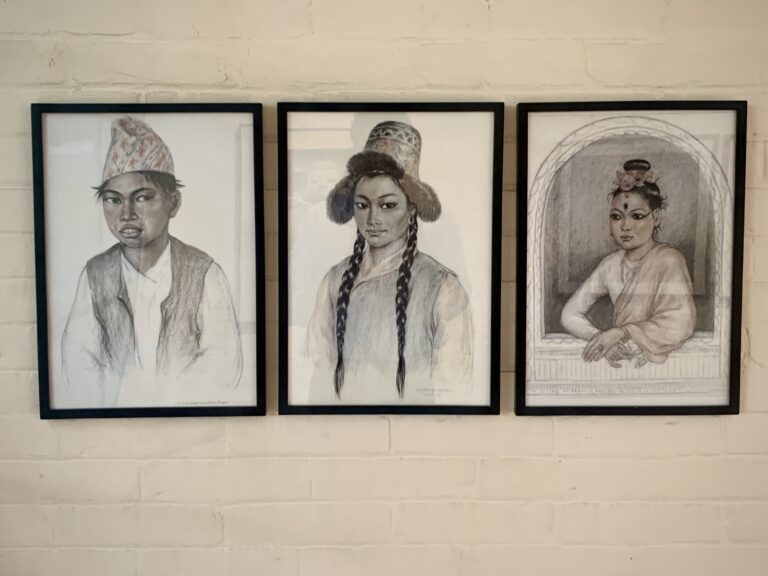
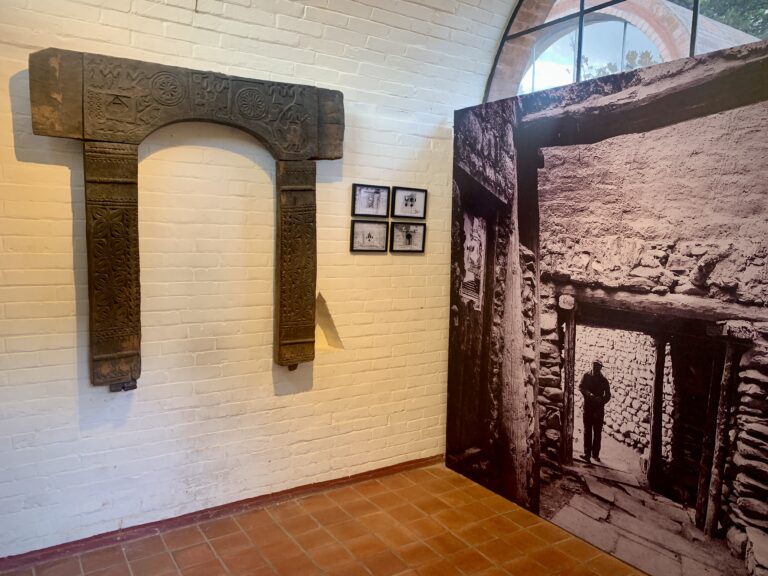
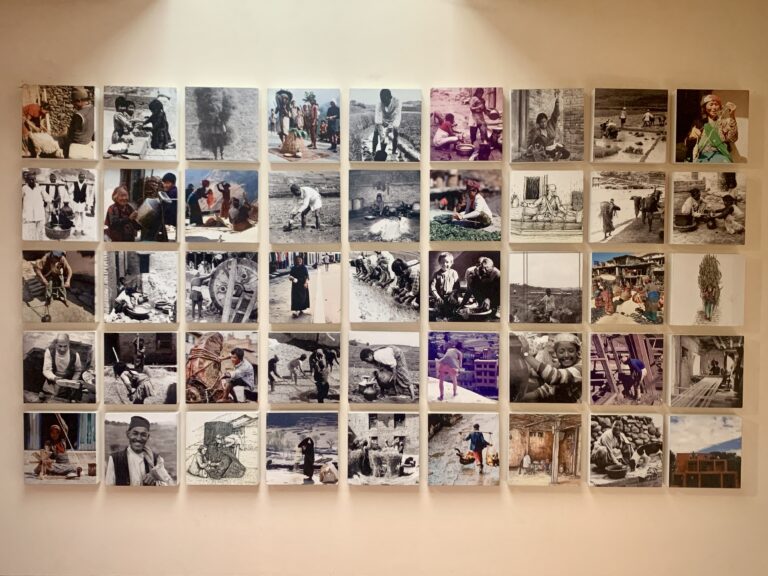
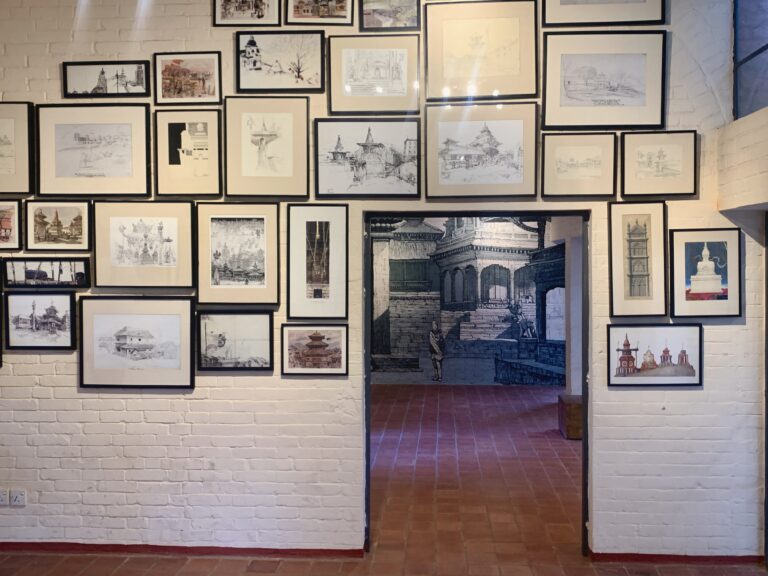
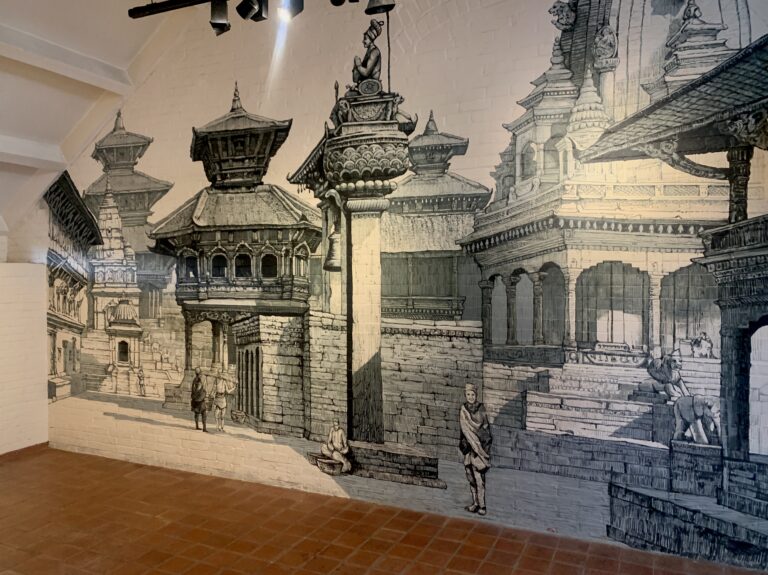
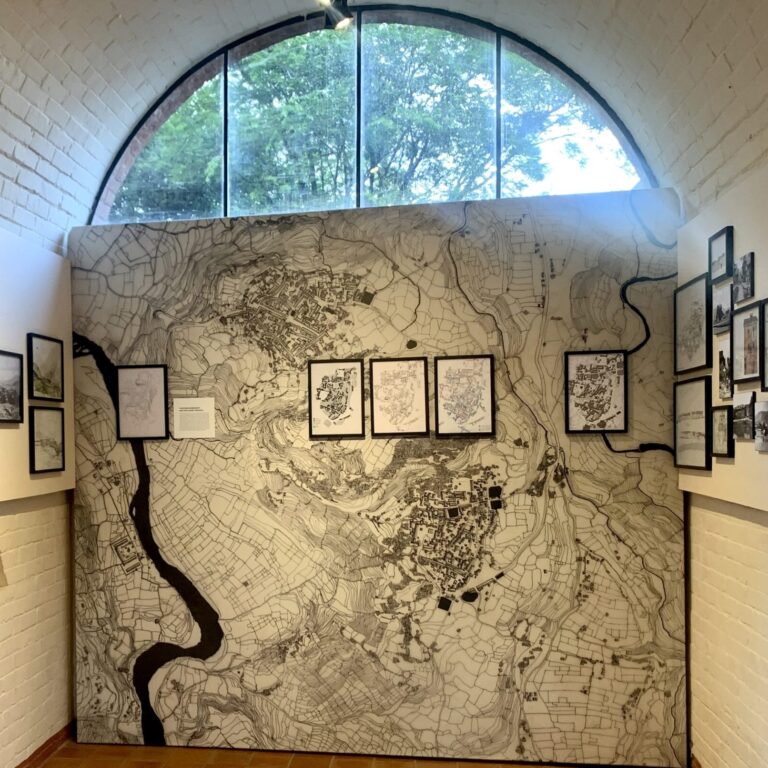
“ARCHIVING FOR THE FUTURE” is a curated display that explores the juncture of time, architecture, and archives documented through memory and people and highlights the role of archiving in preserving and promoting our shared heritage for future generations.
The Nepal Architecture Archive (NAA), officially founded in 2016, is housed on the sprawling premises of the Taragaon Museum. This growing and versatile archive with rare photographs, books, surveys, blueprints, objects, and invaluable notes serves as readings of Nepal’s fast-changing urban landscapes and cultural nuances. Documented over the years by numerous international and local visiting scholars and artists, the archive houses collected and donated material by over a hundred contributors whose research maps histories of varied architectural elements and materials for future understanding and documentation.
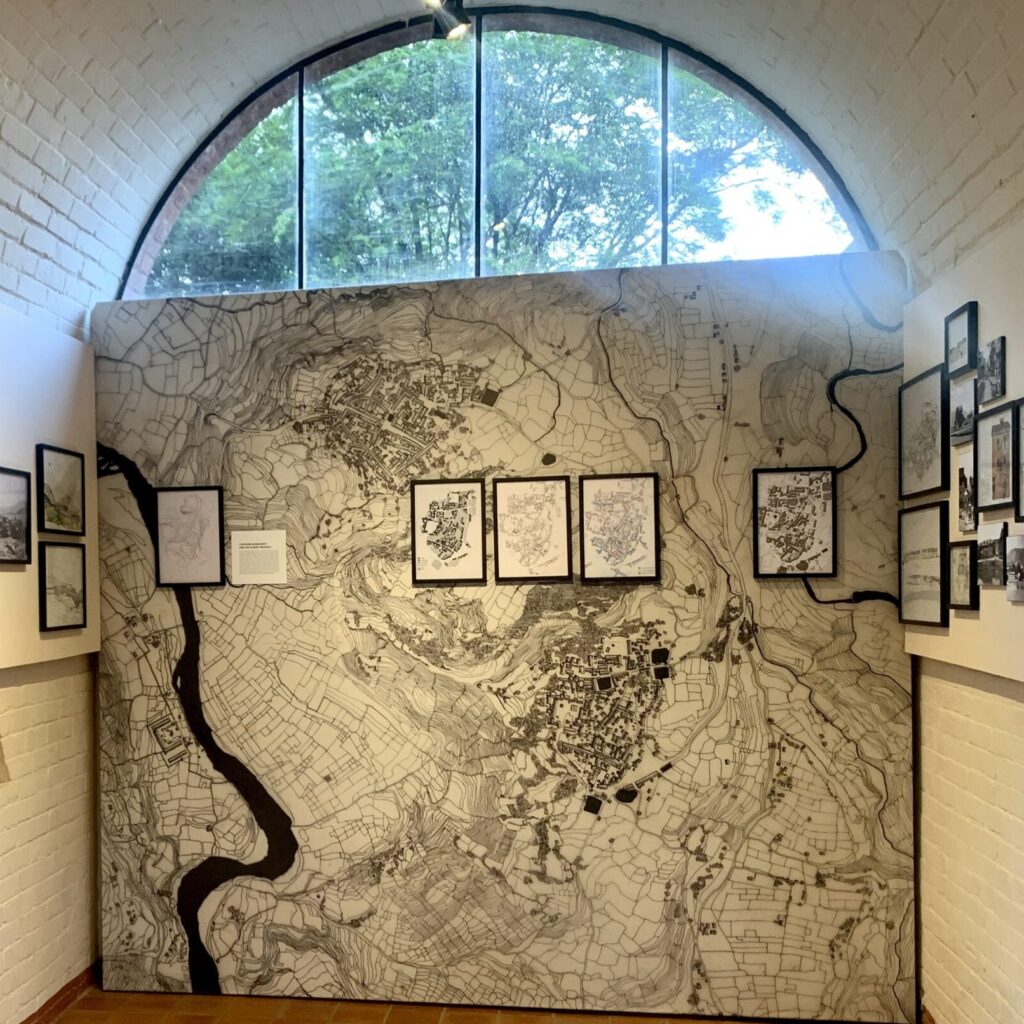
Niels Gutschow curated a collection of works by architects, anthropologists, artists, cartographers, engineers, photographers, planners, researchers, and advisors to the government for public viewing across the seven buildings of Carl Pruscha’s Taragaon Hostel, converted into the Taragaon Museum in 2014. The fascinating architectural structures with their brick walls, niches, and large round windows proved to be a space that spurred curiosity in the direction of the architectural archive to understand Nepal’s (primarily Kathmandu Valley) architectural landscapes and the changes it has undergone over the past few decades. The earlier exhibition display focused on academically highlighting photographs, etchings, maps, plans, and drawings. Taking a cue from these elements, this show of the permanent collection of NAA aims to open up access to a broader audience who will, over time, become the keepers and future contributors of the archive and the conveners of their museum, and their histories and futures at Taragaon Next.
To facilitate a refreshed vision of the Nepal Architecture Archive, the curatorial team envisioned looking at a broad overview of four primary themes across three galleries: People and Places (portraits, studio, and topography), Vernacular Architecture, Architectural Surveys, and Monuments (Stupas, chaityas, temples, and mandaps). The maps, photographs, objects, and ephemera that articulate these four themes are either originals or reprints of materials from the archive by scholars, researchers, and contributors who have spent years and some decades documenting the lives and landscapes of people and places they encountered. Each gallery offers various access points for visitors to the archive with their own stories and histories. While the display will remain for two years, there will be constant interventions and interactions within these gallery spaces by other artists as well as elements of the exhibition that will continue to evolve and change to encourage visitors to return. In addition, the exhibition offers modules for learning, interaction, engagement, and experience for children, students, scholars, and curious visitors through materials from the archive, immersive works, and programming that activates the spaces to grow knowledge and connect with the archive.
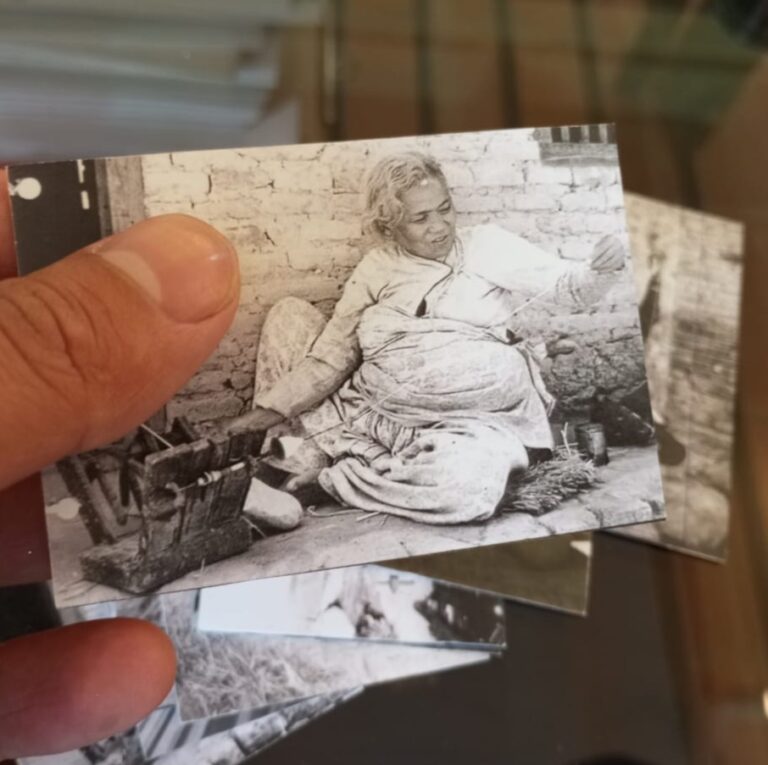
Visual Echoes is an educational program that offers an opportunity to explore the traditional tools used by the people of Bungamati, Nepal, in their daily lives. This program highlights the significance of these tools from the 1960s, showcasing how they made life easier for the community. Today, many of these tools have been replaced by modern equipment, making them rare and culturally valuable.
Grade: 6 to 10
Program length: 30 minutes
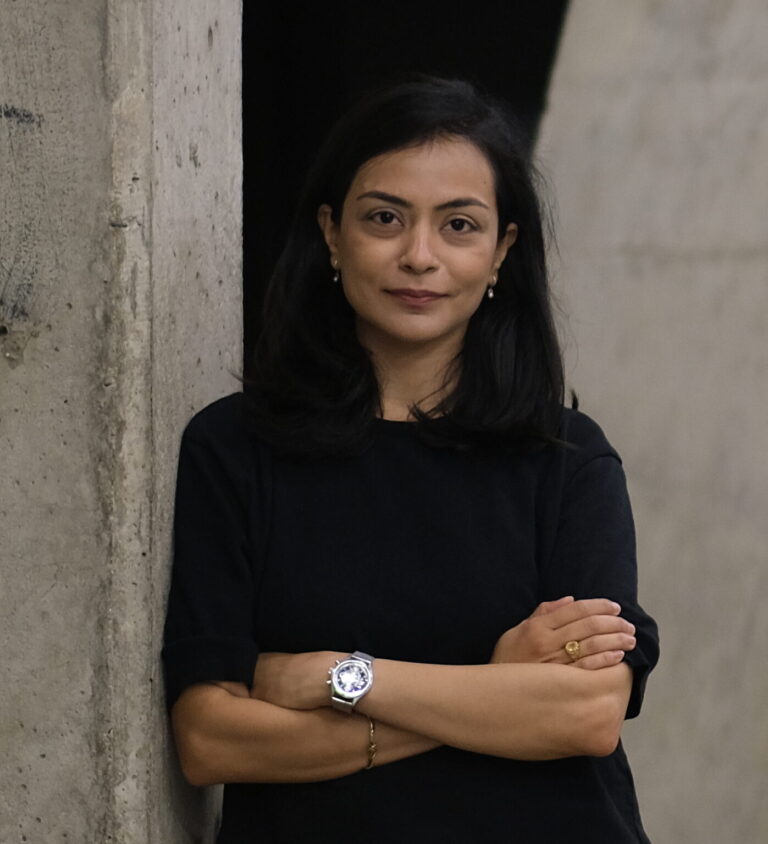
Veeranganakumari Solanki is an independent curator and writer based in India. She is interested in the way interdisciplinary forms and creative practices merge to create dialogues in public and private spaces and the convergence of images across disciplines. Further, her research and practice consider how historical and contemporary thought informs exhibition-making and artistic practices to expand the ideas of medium specificity through narration, memory, time and story-telling. Her curatorial discourse has focused primarily on art practices within South Asia and its diasporic context. Veerangana was the 2019 Brooks International Research Fellow at Tate Modern and a resident at Delfina Foundation. Currently, she is the Programme Director at Space Studio, Baroda, a core team member of Art Chain India and teaches the Curatorial Practice MFA programme at Kathmandu University. She curated ‘Future Landing: The Arcade’ at the Serendipity Arts Festival 2022 and is also the Visual Arts Curator for the Serendipity Arts Festival 2023.
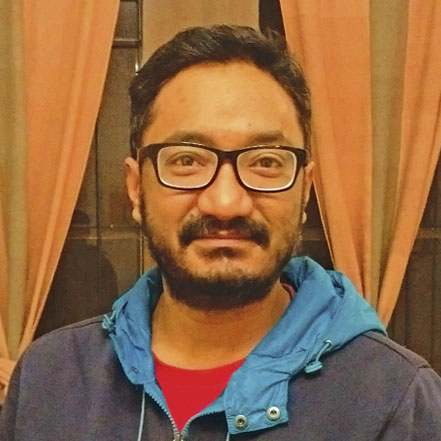
Sujan Chitrakar is a Kathmandu-based Nepalese visual artist, art educator, and independent curator renowned for his multimedia explorations of shared human experiences and interpersonal relationships through mediums such as drawings, paintings, installations, videos, and performances.
Born into a traditional Chitrakar family of Newar artists, Chitrakar has over 15 years of experience in the arts and serves as an Associate Professor and Academic Program Coordinator at Kathmandu University School of Arts, where he mentors emerging contemporary Nepali artists.
His curatorial work includes co-curating the Kathmandu International Art Festival (KIAF), serving on the team for Photo Kathmandu, and organizing the acclaimed retrospective "Birendra Pratap Singh – A Retrospective," which highlighted a forgotten generation of Nepali art.