Curatorial Statement by Roshan Mishra
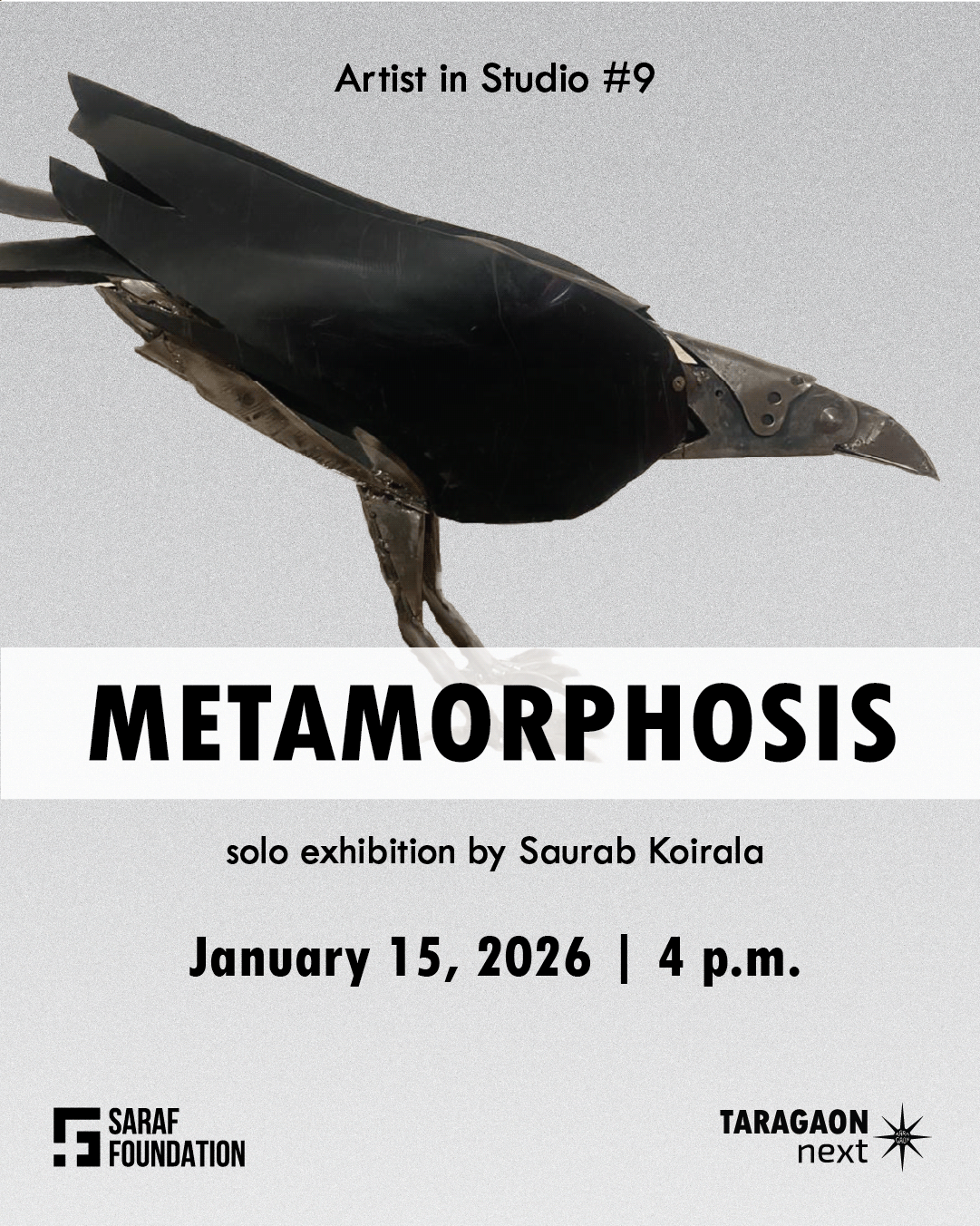
Metamorphosis traces the artistic journey of Saurab Koirala, whose sculptural practice emerges from a deeply personal lineage and an interdisciplinary curiosity that bridges art, biology, and engineering. His earliest influence came from observing his mother sculpt, was an intimate introduction to form, patience, and the act of making. This foundational experience planted the seed for his lifelong engagement with discarded material and transformation.
While studying biology, Saurab developed a fascination with the anatomy and internal structures of living beings. The precision of bones, exoskeletons and muscle systems shaped his understanding of balance, symmetry, and function. Although he later dropped out of engineering college, his exposure to machines, tools, automobiles, and industrial design left a lasting impression. He began to notice striking parallels between human inventions and biological forms, how engines echoed muscular systems, how mechanical joints resembled skeletal structures, and how machines often mirrored insects, animals, and human bodies. This realization revealed how innovation itself has long been inspired by nature.
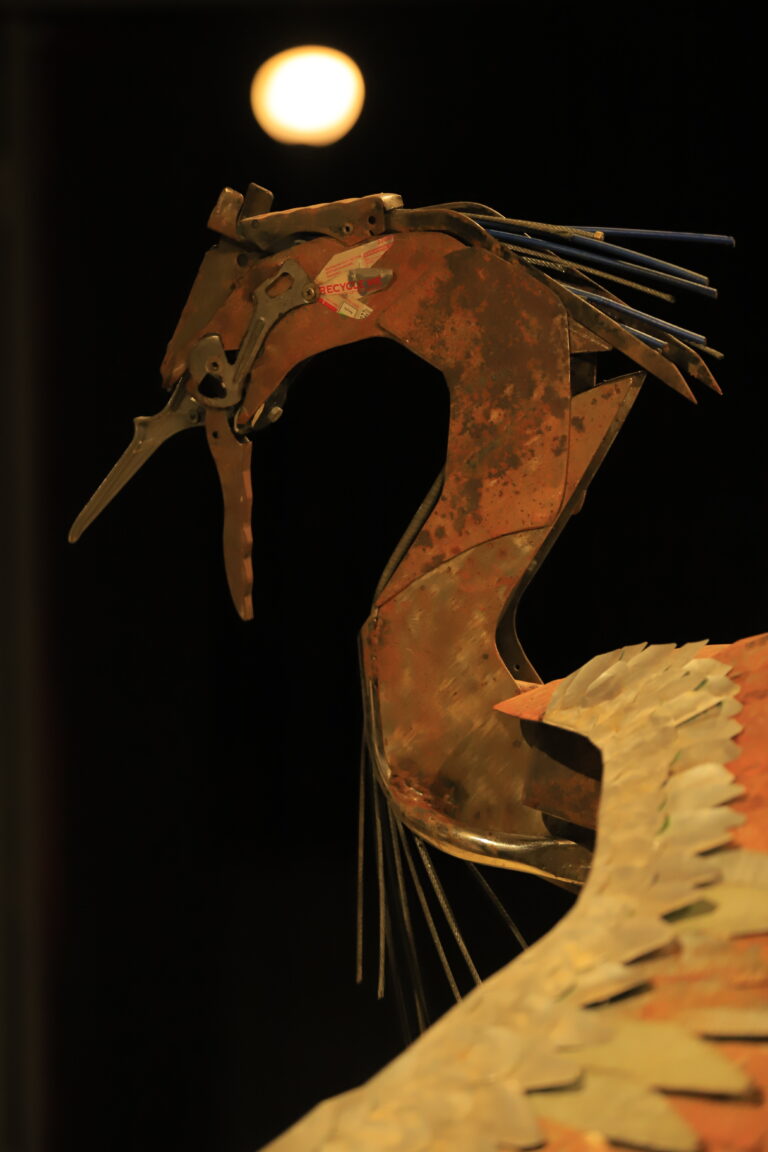
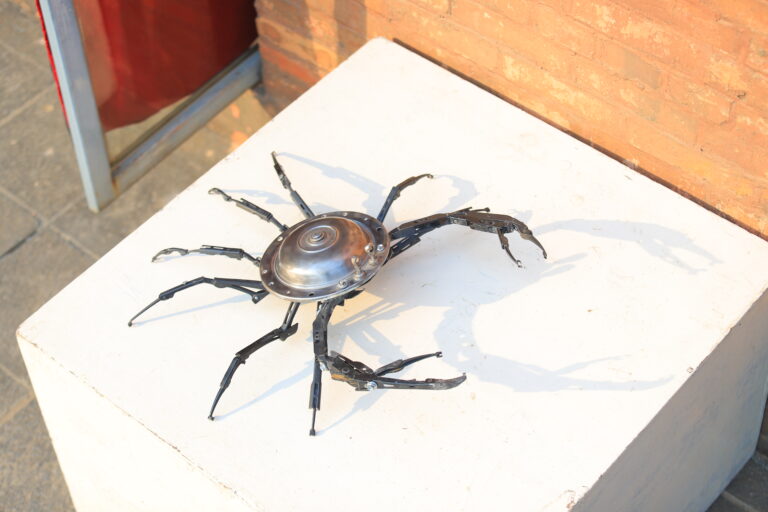
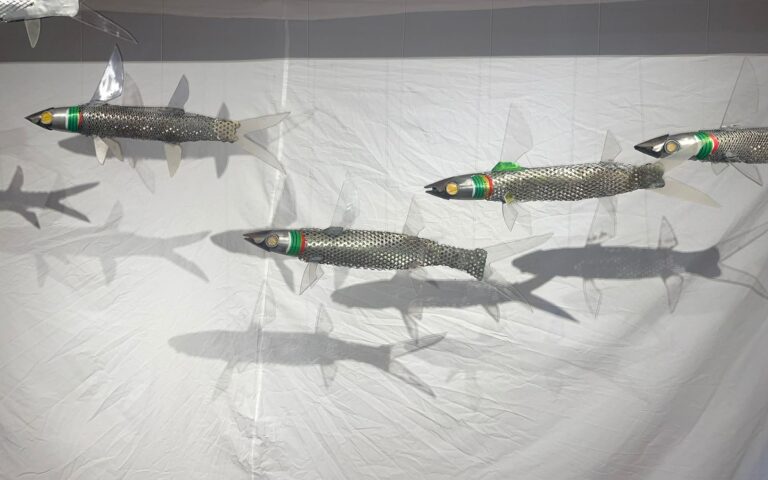
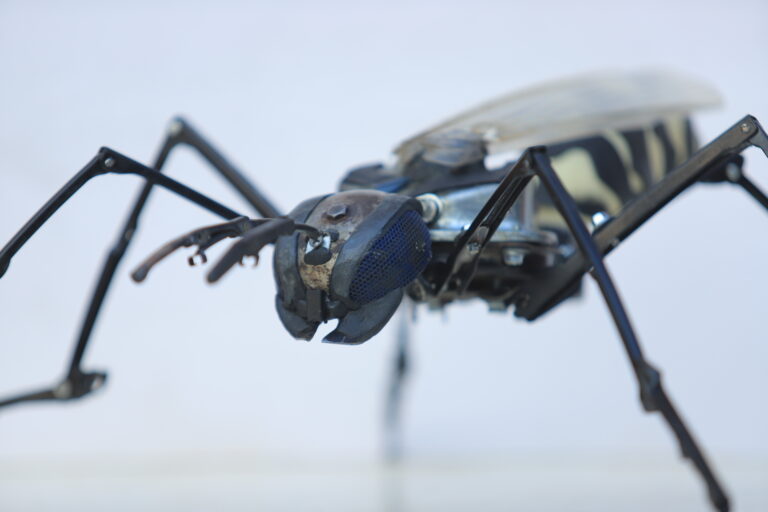
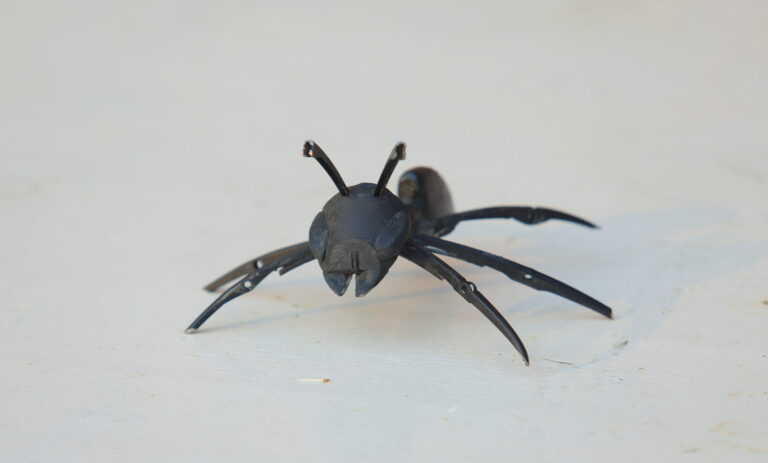
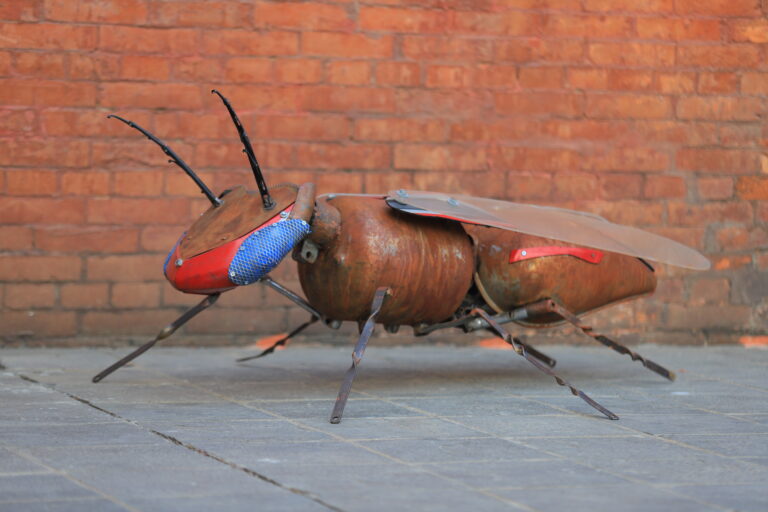
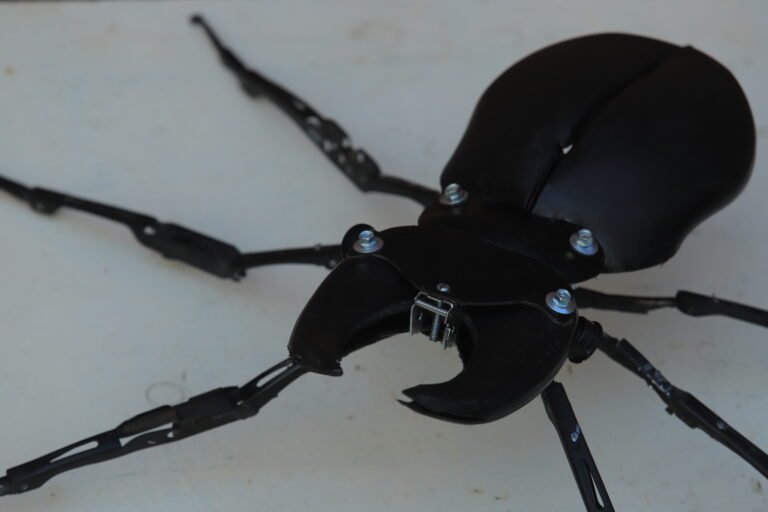
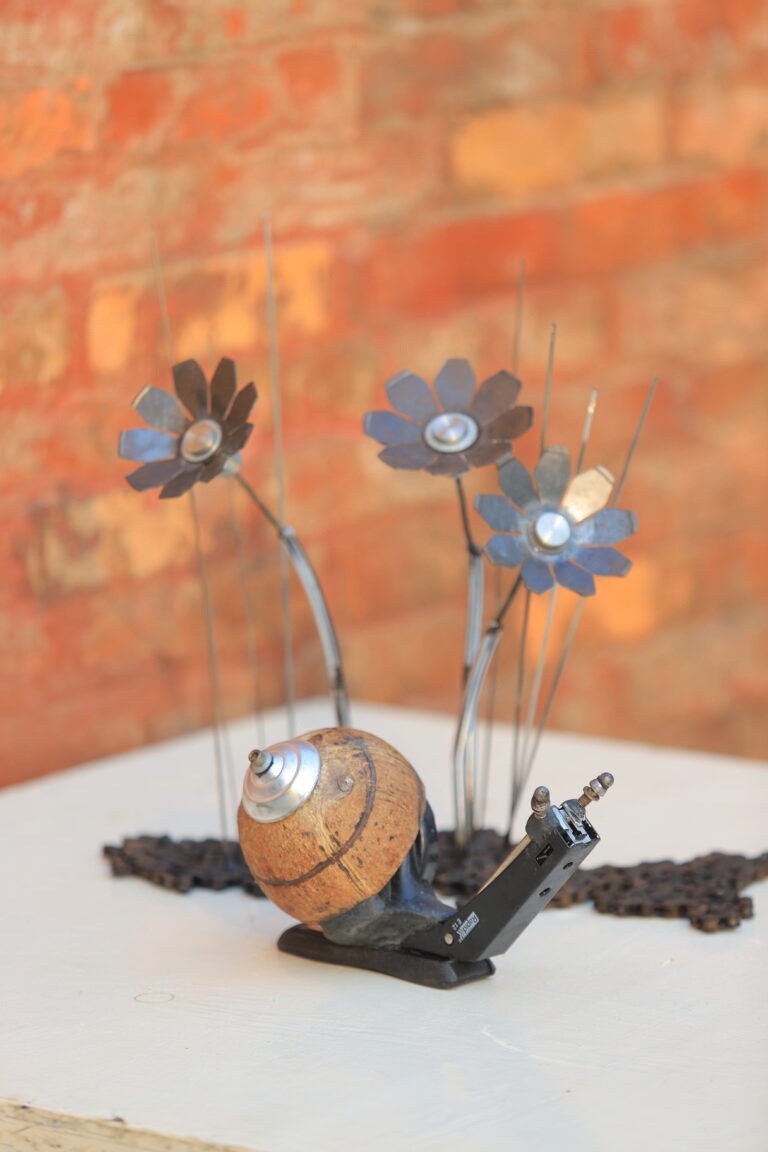
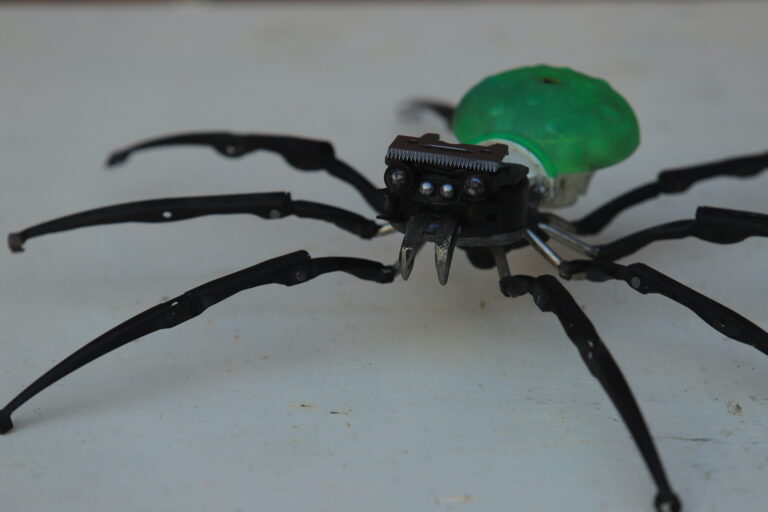
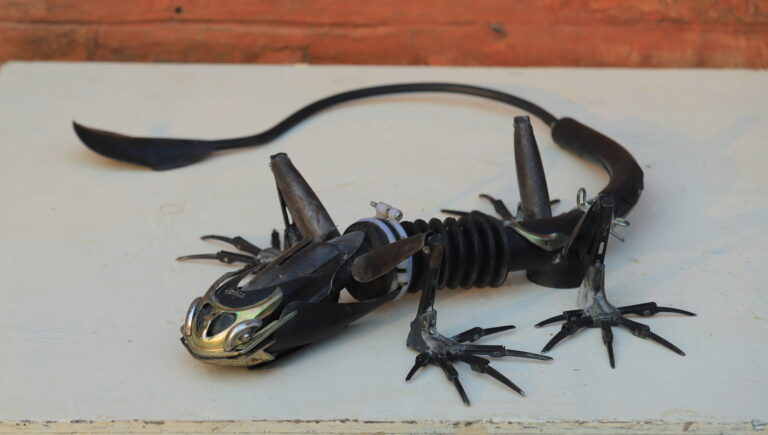
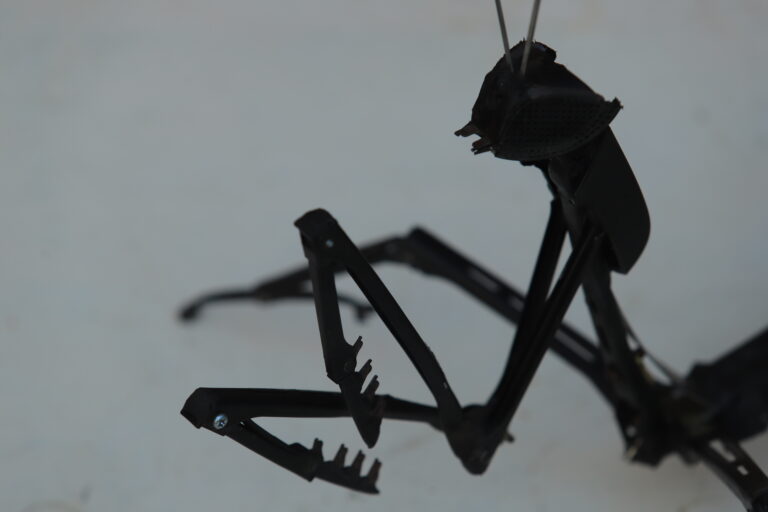
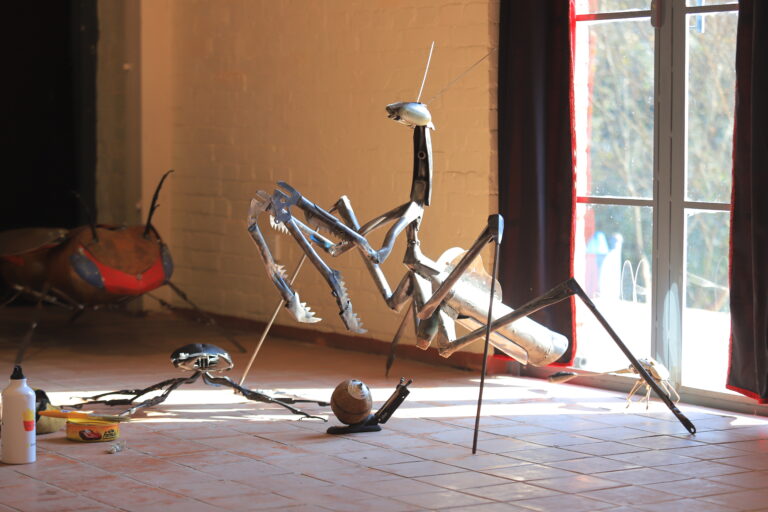
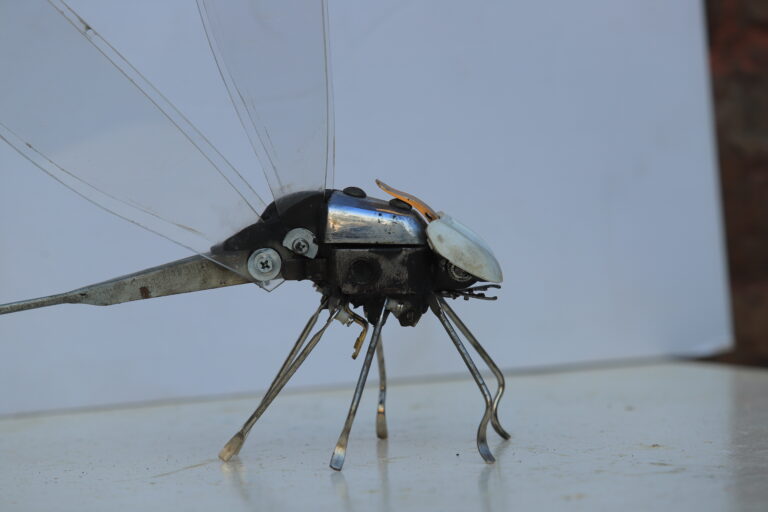
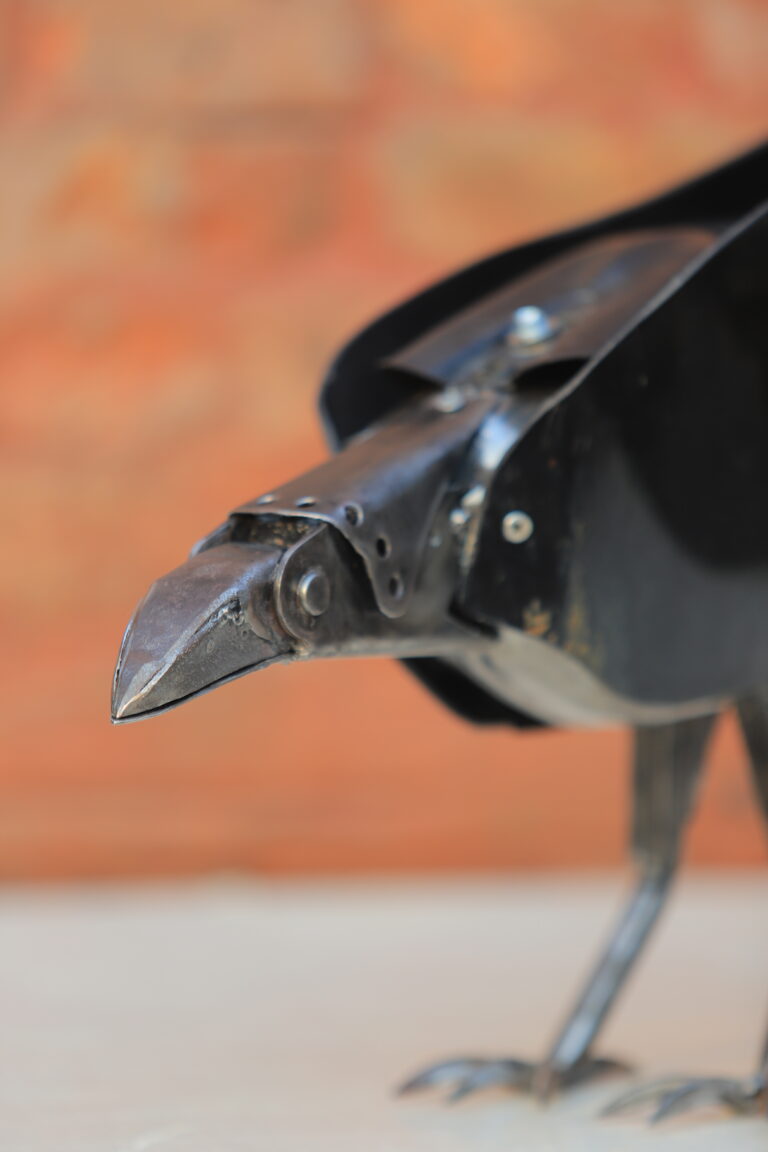
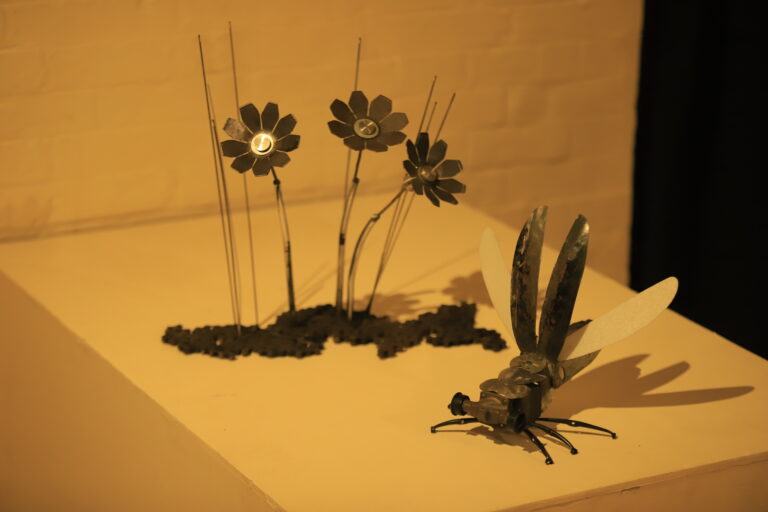
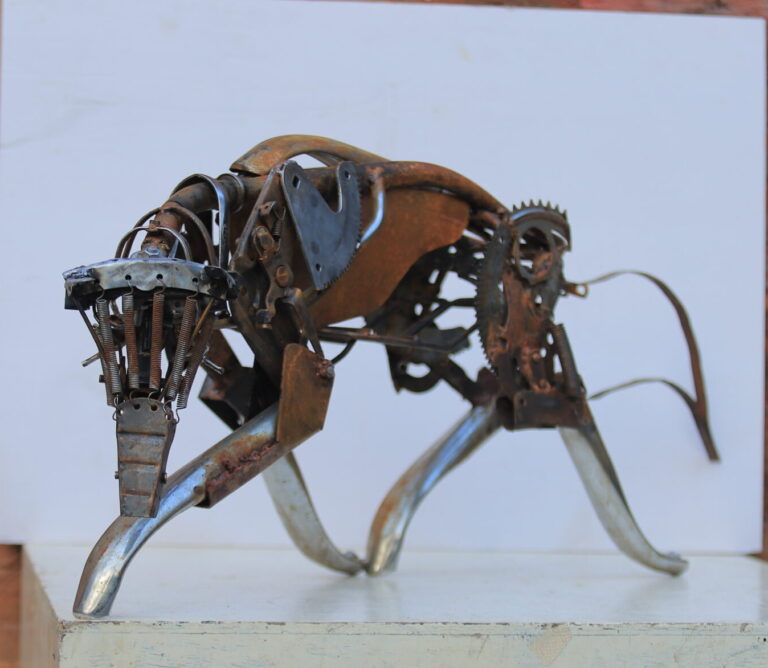
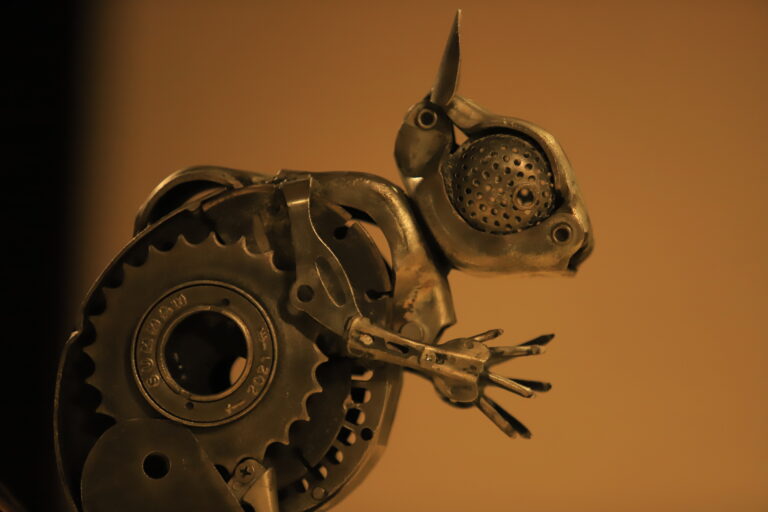
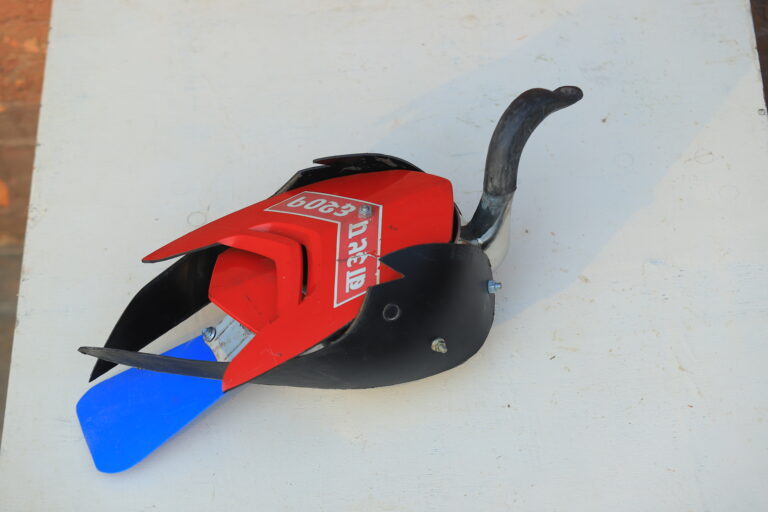
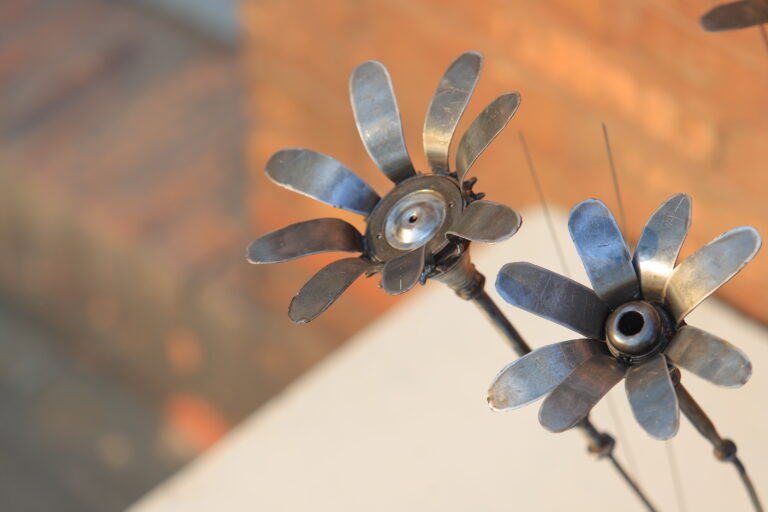
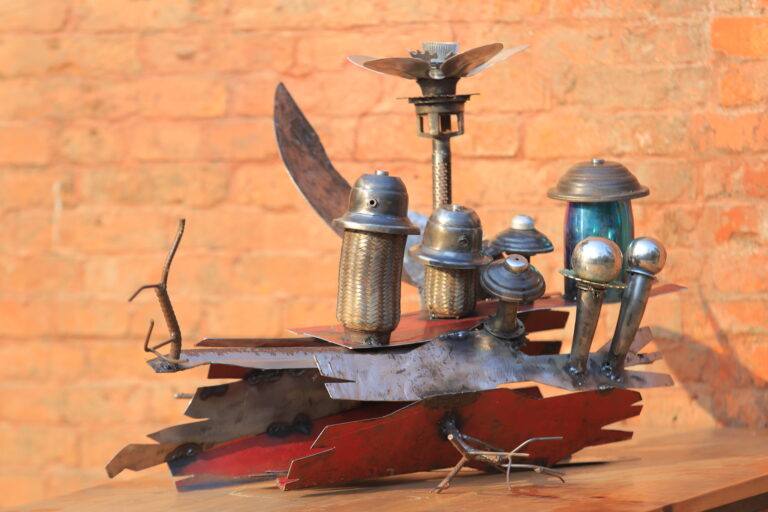
In Metamorphosis, Saurab weaves together these influences, his mother’s artistic sensibility, his own scientific observation, and engineering logic into sculptures made entirely from scrap metal and discarded materials. Without formal training in engineering or fine art, his practice is driven by an intuitive and deeply analytical understanding of structure and symmetry. Each work demonstrates a mastery of precision, where waste materials are transformed into living, breathing forms that feel simultaneously mechanical and somehow organic.
Beyond formal and material concerns, Saurab’s work carries an urgent ecological message. The very materials he uses such as industrial waste and scrap, point to the growing environmental crisis of overproduction and unchecked consumption. While waste impacts human life, its most devastating consequences are borne by insects, birds, animals, and aquatic ecosystems. Rapid industrialization and urban expansion continue to destroy habitats, forcing migration and accelerating extinction.
Through these transformed creatures, Saurab calls for a rethinking of our relationship with waste, development, and coexistence. Metamorphosis is not only about transformation of material, but also about a shift in consciousness. It urges environmentalists, policymakers, and the public alike to recognize their responsibility in protecting the fragile ecosystems that sustain all life.
By giving discarded metal new life, the exhibition asks a vital question: can humanity reimagine progress in a way that allows other species to survive, thrive and live alongside us?